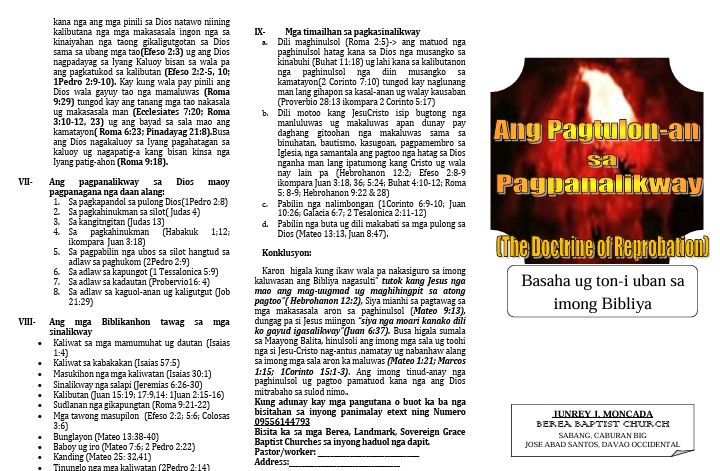
The Doctrine of Reprobation

(Translate out from Cebuano tract since 2013)

Junrey J Moncada

Pastor of Berea Baptist Church, Sabang, Caburan Big, Jose Abad Santos, Davao Occidental, Philippines


Introduction
One of the most difficult and detested doctrines in the Bible is the doctrine of reprobation. However, it is not appropriate for us to reject this truth merely on account of our own reasons. A true preacher of God must teach the whole truth of God despite much opposition, because that is the duty of those truly called by God as His faithful servants.
Therefore, let us study and give attention to this truth concerning the doctrine of reprobation as recorded in Holy Scripture.


I. The Term “Reprobation”


The term “reprobation” derives from the word reprobate.
Reprobate means abandoned, forsaken, left behind.
According to Webster’s New Dictionary (page 319): rejected by God.
According to Scribner Bantam English Dictionary (page 769): given over to sin.
In Hebrew: mâ’ac; in Greek: adokimos, meaning rejected, abandoned.


II. Reprobation as a Biblical Doctrine


a. Regarded as rejected silver (Jeremiah 6:28-30)
b. Those who fail in ministry [reprobate] (2 Corinthians 13:5)
c. Corrupt in mind and reprobate concerning the faith (2 Timothy 3:8)
Another clear description of reprobation can be found in Romans 9:19-23, where the reprobate are described as vessels prepared for destruction.


III. Reprobation Occurred in Eternity Past


Romans 9:11 – Even before the children were born or had done anything good or bad.
Psalm 58:3 – The wicked are estranged from the womb.
Proverbs 16:4 – God made everything for His own purposes, even the wicked for the day of evil.
Jude 4 – There are certain people who crept in unnoticed, who long ago were designated for condemnation, ungodly people who pervert the grace of God.
Revelation 13:8 and 17:8 – The names of people not written in the book of life belonging to the Lamb who was slain, from the foundation of the world.


IV. God’s Plan in His Election to Salvation and Reprobation to Destruction


God’s Election to Salvation
This is for His glory, to manifest His love and mercy.
Isaiah 43:7 compared with Romans 9:16, 23; Ephesians 2:4-5; 1 Timothy 1:12-17
God’s Reprobation to Destruction
This is to manifest His power through the demonstration of His holy justice.
Romans 9:17-22 compared with Romans 2:5, 16; Revelation 20:15
God’s election to salvation is for those people prepared to inherit His kingdom before the foundation of the world (Matthew 25:33-34).
God’s reprobation to destruction is for those people prepared for His wrath (1 Thessalonians 5:9), because God has already prepared the lake of blazing fire in hell for the reprobate (Isaiah 30:33; Matthew 25:41; Romans 9:21-22).


V. God’s Purpose Toward the Elect and the Reprobate


a. The Purpose of God the Father: He has chosen some to be saved before the foundation of the world, and He has also not chosen or reprobated others before the foundation of the world. (1 Peter 1:2; Ephesians 1:4; 2 Thessalonians 2:13; John 15:19; Romans 9:11 compared with Jude 4; Revelation 13:8; 17:8)


b. The Purpose of God the Father: He has given certain people to His Son to be saved through the death on the cross (John 6:37-39 compared with Revelation 5:9; John 10:11; 17:2, 5). And there are also those passed over from eternity who were not given to His only Son for redemption, as is clear in the prayer of Jesus Christ (John 17:9-12, 24).


c. The Purpose of God the Father: Those appointed to eternal life will surely believe when called through the preaching of the Gospel (Acts 13:48 compared with 2 Thessalonians 2:13-14; Colossians 1:17; 2 Timothy 1:9), while others are left and given over to their sinful condition (Psalm 81:12; 119:119; Acts 14:16; Romans 1:24) and to remain blind to the truth (2 Corinthians 4:4; Romans 11:7-8; John 8:47).


d. The Purpose of God the Father: To preserve His people so they will not be lost (Jeremiah 32:40; Psalm 37:23-24; Philippians 2:13; 1 Corinthians 11:32; Hebrews 12:5-8) and to keep the reprobate continually under judgment as deceived (2 Thessalonians 2:11-12; 2 Peter 2:9; Isaiah 42:16-17; Revelation 17:17).


VI. Reprobation Is Not Election to Destruction – or popularly known as double Predestination


God merely chooses certain people whom He will to have mercy upon and give grace so that they may be saved (2 Timothy 1:9 compared with Ephesians 1:4-5; 2:5; 2 Thessalonians 2:13; Titus 3:5). However, regarding reprobation, God does not choose people for destruction but simply passes over those not chosen for salvation, as evident in the words of our Lord Jesus Christ in John 15:19: “If you were of the world, the world would love its own; but because I chose you OUT OF the world, therefore the world hates you.”
In that verse we see that God’s elect are chosen out of the world, which means that those chosen by God were born into this world as sinners by nature, people detestable to God like all other people (Ephesians 2:3), and God manifested His mercy even before the foundation of the world (Ephesians 2:2-5, 10; 1 Peter 2:9-10). For if God had not chosen anyone, no one would be saved (Romans 9:29) because all people have sinned and are sinners (Ecclesiastes 7:20; Romans 3:10-12, 23), and the wages of sin is death (Romans 6:23; Revelation 21:8). Therefore, God has mercy on whom He will have mercy and hardens whom He will harden (Romans 9:18).


VII. God’s Reprobation Is Preparation in Advance For:


•Stumbling at the word of God (1 Peter 2:8)
•Condemnation to punishment (Jude 4)
•Darkness (Jude 13)
•Judgment (Habakkuk 1:12; compared with John 3:18)
•Remaining under punishment until the day of judgment (2 Peter 2:9)
•The day of wrath (1 Thessalonians 5:9)
•The day of evil (Proverbs 16:4)
•The day of trouble and wrath (Job 21:29)


VIII. Biblical Designations for the Reprobate


°Offspring of evildoers (Isaiah 1:4)
°Offspring of adultery (Isaiah 57:3)
°Rebellious children (Isaiah 30:1)
°Rejected silver (Jeremiah 6:26-30)
°The world (John 15:19; 17:9, 14; 1 John 2:15-16)
°Vessels prepared for destruction (Romans 9:21-22)
°Sons of disobedience (Ephesians 2:2; 5:6; Colossians 3:6)
°Tares (Matthew 13:38-40)
°Swine and dogs (Matthew 7:6; 2 Peter 2:22)
°Goats (Matthew 25:32, 41)
°Cursed children (2 Peter 2:14)
°Children of the devil (John 8:44)


IX. Signs of Being Reprobate


a. Unrepentant (Romans 2:5) – True repentance is given by God and leads to life (Acts 11:18), and this differs from worldly repentance which leads to death (2 Corinthians 7:10), because one continues to wallow in sin without change (Proverbs 28:13 compared with 2 Corinthians 5:17).


b. Does not believe in Jesus Christ as the only Savior and the one who can save, but believes in many things that can save, such as works, baptism, law-keeping, church membership. Meanwhile, faith given by God is directed solely to Christ and nothing else (Hebrews 12:2; Ephesians 2:8-9 compared with John 3:18, 36; 5:24; Acts 4:10-12; Romans 5:8-9; Hebrews 9:22 & 28).


c. Remains deceived (1 Corinthians 6:9-10; John 10:26; Galatians 6:7; 2 Thessalonians 2:11-12), especially pertaining about the Gospel of salvation (1Cor.2:14; 2Cor.4:4-6).


d. Remains blind and cannot hear the words of God (Matthew 13:13; John 8:43-47; 10:26).


Conclusion
Now, friend, if you are not yet certain of your salvation, the Bible says: “looking to Jesus, the author and perfecter of our faith” (Hebrews 12:2). He came to call sinners to repentance (Matthew 9:13). Moreover, Jesus said: “whoever comes to me I will never cast out” (John 6:37). Therefore, friend, according to the Gospel, repent of your sins and believe that Jesus Christ suffered, died, and rose again for your sins so that you may be saved (Matthew 1:21; Mark 1:15; 1 Corinthians 15:1-3). Your genuine repentance and faith are evidence that God has worked within you.

God bless.

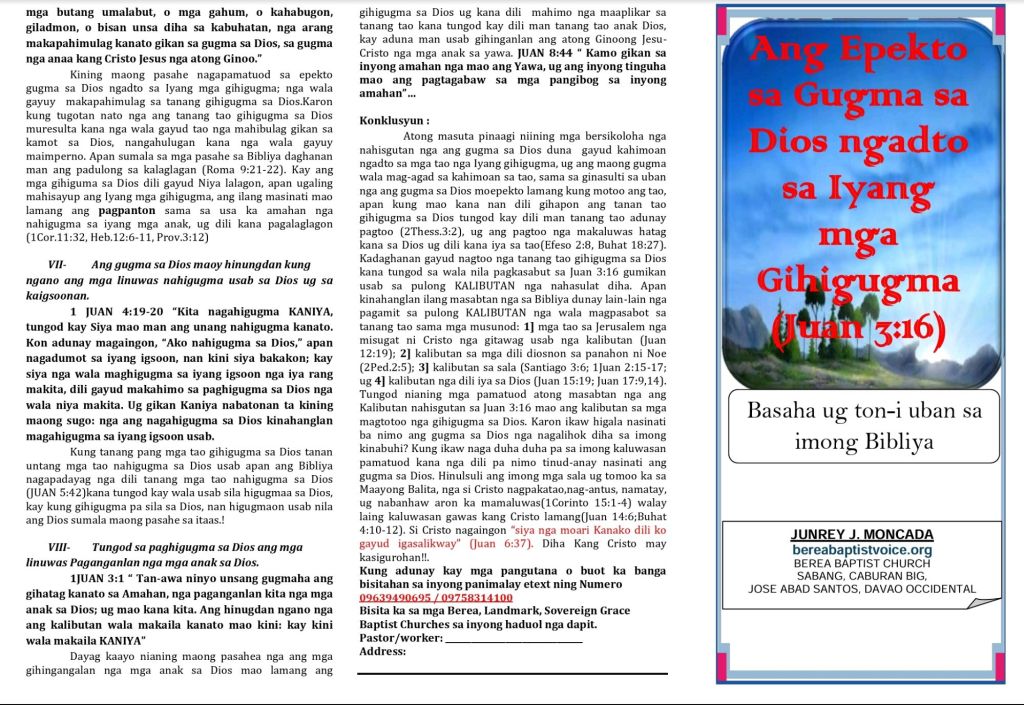
THE BIBLICAL DOCTRINE OF GOD’S EFFECTUAL LOVE : Modern Distortion of God’s Love.

(Translated from Cebuano tract since 2013)

Junrey J Moncada

Pastor of Berea Baptist Church, Sabang, Caburan Big, Jose Abad Santos, Davao Occidental, Philippines


INTRODUCTION:
One of the greatest theological distortions of our time is the redefinition of the love of God.
Today, “God loves you” is preached as if it means:
God is trying
God is hoping
God is offering
God is waiting
God may ultimately fail
A love that desires salvation but cannot secure it. A love that gives the Son yet leaves multitudes under wrath. A love that bleeds at the cross but watches helplessly as sinners perish.
That is not the love revealed in Scripture.
That is a weakened, sentimentalized version—shaped more by modern emotion than by biblical revelation.
As the Cebuano treatise “Ang Epekto sa Gugma sa Dios” rightly asks:
“Can it be that God’s love is only in word and not in deed? Far from it! And can it also be that God’s love has no purpose and result/effect because it depends on whether man will also love God?”
The answer is clear: God’s love accomplishes what it intends.


I. GOD’S LOVE DRAWS—IT DOES NOT BEG

The LORD hath appeared of old unto me, saying, Yea, I have loved thee with an everlasting love: therefore with lovingkindness have I drawn thee.
— Jeremiah 31:3


Because He loved—therefore He drew.
The drawing is the result of the loving. God’s love is causative, not reactive. It accomplishes what it intends.
An everlasting love that fails eternally is not everlasting love—it is frustrated desire.

“This text shows that God draws those He loves, not because of man’s own effort, for man absolutely cannot come to Christ unless he is drawn by God. ‘NO ONE CAN COME to Me unless he is drawn by the Father who sent Me…’ (John 6:44)”
God’s love is effective, not ineffective. It does not merely make salvation possible—it secures it.


II. GOD’S LOVE IS POURED—NOT MERELY PROPOSED

And hope maketh not ashamed; because the love of God is shed abroad in our hearts by the Holy Ghost which is given unto us.
— Romans 5:5


Poured out.
Not suggested. Not presented. Not made available pending human permission.
Poured into the heart by the Spirit of God.
And this poured-out love results in justification and reconciliation (Rom. 5:9–10). The chapter does not end in uncertainty—it ends in salvation from wrath.
Now if all people in this world were loved and died for by Christ, then all people would surely be saved!”
The logic is inescapable:
If Christ died for someone, that death accomplishes salvation.
If God loves someone with saving love, that person will be saved.
The cross is not a failed offer—it is a finished work.


III. GOD DIRECTS THE HEART

And the Lord direct your hearts into the love of God, and into the patient waiting for Christ.
— 2 Thessalonians 3:5

This language does not suggest mere assistance, but divine direction. The heart is not portrayed as autonomously steering itself toward God, nor as standing in neutral independence, waiting for human choice to decide. Rather, the Lord Himself actively directs the heart into His love.
This destroys the notion of autonomous free will in matters of salvation. If the Lord must direct the heart, it follows that the heart, left to itself, would not move toward God.

The direction is not hypothetical but effectual, God does not merely point the way; He brings the heart into it. His sovereignty governs not only the external call of the gospel, but the internal movement of the soul.
Thus, the love of God is not dependent upon the sinner’s initiative, but the sinner’s response is the result of God’s sovereign direction. The heart does not generate love for God from its own natural power; it is brought into that love by divine operation. This confirms that salvation rests not upon human neutrality or self-determination, but upon the sovereign and effective grace of God, who directs, inclines, and secures the hearts of His people.


IV. GOD’S LOVE PRODUCES THE RESPONSE

We love him, because he first loved us.
— 1 John 4:19


His love is the cause. Ours is the effect.
The modern view reverses this—making human acceptance the decisive factor. Scripture does not.
God’s love creates the response it demands.

“If all people were loved by God, all people would have also love God, but the Bible reveals that not all people love God (John 5:42). This is because they were not loved by God either, because if they were loved by God, then they would also love God according to this passage!”
The implications are clear:
If God loves you with saving love, you will love Him in return.
The fact that many do not love God proves they are not the objects of His saving love.
God’s love is not universal—it is particular and effective.


V. GOD’S LOVE IS THE CAUSE OF SALVATION

But God, who is rich in mercy, for his great love wherewith he loved us, Even when we were dead in sins, hath quickened us together with Christ, (by grace ye are saved;)
— Ephesians 2:4-5

“These texts show that the great LOVE of God is the cause of our salvation. Even when we were dead in sin, He made us alive together with Christ, and this is called grace to the undeserving or love for the unlovely.”
The sequence is critical:
God loved us
While we were dead in sin
He made us alive
We are saved by grace
This is not conditional love. This is not God waiting for dead sinners to respond. This is resurrection love—love that brings life to the dead.

“Now if we apply these texts to all people, then it would also become that all people would be saved and made alive in Christ, and that would mean no one would perish in the lake of fire in hell—Cain, Pharaoh, Herod, the Man of sin and all who rejects Christ even satanists, would be saved if that were so? But far from it! Because God has mercy on whom He wills to have mercy and hardens whom He wills to harden (Romans 9:16-18).”
The conclusion is unavoidable:
God’s saving love is particular, not universal.
If God loved all in the same saving way, all would be saved.
Since all are not saved, God’s love must be discriminating and effectual.

* Dr. Flowers has objection  by citing Matt. 5:44″Love your Enimies”-

This objection needed right attention to adress, so we answer-
“If God’s command to love enemies means He must love them in exactly the same way He loves His own people, then would God also be obligated to save His own arch-enemy—Satan? Such a conclusion is absurd and exposes the false assumption behind the argument.
Loving one’s enemies does not mean granting them the same love, favor, or saving grace reserved for one’s own family. If a man’s family were murdered, his refusal to take revenge against the murderer could be called a form of love—yet no rational person would conclude that he loves the murderer in the same way he loves his murdered family. Justice, mercy, and love operate in different ways according to relationship and purpose.
Therefore, God is not a hypocrite for commanding love toward enemies while reserving His saving love for His people. There is a clear distinction between showing benevolence toward enemies and bestowing covenantal, redeeming love upon His elect. Confusing these categories creates contradiction where none exists.”


VI. GOD’S LOVE IS THE CAUSE OF ELECTION

According as he hath chosen us in him before the foundation of the world, that we should be holy and without blame before him in love: Having predestinated us unto the adoption of children by Jesus Christ to himself, according to the good pleasure of his will,
— Ephesians 1:4-5

“This verse declares that God through His Love chose us to become His adopted children. And this choosing by God brings man TO LIVE holy and blameless lives, and not because they were already serving and holy beforehand to be chosen.”
The order is crucial:
God loved
God chose
Therefore we become holy
Not:
We became holy
Therefore God chose us
God’s love precedes and produces holiness—it does not respond to it.


VII. GOD’S LOVE REMOVES SIN

“To Him who loved us and has freed us from our sins by His blood.”- -Revelation 1:5

“If we reflect on this passage and apply it to all people, then all people would truly be freed from sin and would surely be saved, but still many will be judged to punishment, dying in their own sins (John 8:21,24, Rev. 20:15, Matthew 25:41).”
The argument is airtight:
If God’s love frees from sin, then those He loves are freed.
If all were freed from sin, none would perish.
Since many perish, not all are loved with saving love.


VIII. NOTHING CAN SEPARATE GOD’S LOVED ONES FROM HIM

Romans 8:35-39
“Who shall separate us from the love of Christ? …I am persuaded that neither death nor life, nor angels nor principalities, nor things present nor things to come, nor powers, nor height nor depth, nor any other created thing, shall be able to separate us from the love of God which is in Christ Jesus our Lord.”

“This passage testifies to the effect of God’s love upon those He has loved; that absolutely nothing can separate those loved by God. Now if we allow that all people are loved by God, this would result in no one being separated from God’s hand, meaning no one would go to hell.”
The logic is inescapable:
If God loves you with the love described in Romans 8, nothing can separate you.
If all were loved this way, none would be lost.
Since many are lost, this love is not universal.
“Because those loved by God will absolutely not be destroyed by Him, but if His loved ones err, what they will experience is only discipline, like a father who loves his children, and not destruction (1 Cor. 11:32, Heb. 12:6-11, Prov. 3:12).”
God’s love disciplines—it does not damn.


IX. JOHN 3:16 IS NOT A FAILED OFFER

John 3:16 is often quoted as if it proves universal, resistible love:
“For God so loved the world that He gave His only begotten Son…”
Yes—He gave.
But why did He give?
Paul answers (Romans 5:9):
“Having now been justified by His blood, much more shall we be saved from wrath through Him.”
The giving of the Son secures justification.
Justification secures salvation from wrath.
The cross is not a sentimental gesture. It is a substitutionary accomplishment.
If Christ’s blood justifies, those justified will be saved.
The love that gave the Son is the love that saves from wrath.

“Many truly believe that all people are loved by God because of their misunderstanding of John 3:16, also because of the word WORLD written there. But they need to understand that in the Bible there are different uses of the word WORLD that don’t mean all people without exception. “
The lists biblical uses of  term “world”:
The people of Jerusalem who met Christ (John 12:19)
The world of the ungodly in Noah’s time (2 Peter 2:5)
The world of sin (James 3:6; 1 John 2:15-17)
The world that is not God’s (John 15:19; John 17:9,14) and The world that will be damn (1Corinthian 11:32)


“Because of these proofs, we can understand that the World mentioned in John 3:16 is the world of believers who are loved by God.”
John 3:16 does not teach universal love that fails.
It teaches particular love that saves.


X. THE REAL ISSUE

The real issue is this:
Do we believe God’s love merely makes salvation possible?
Or do we believe God’s love actually saves?
The Bible presents a love that:
Draws (Jeremiah 31:3)
Pours (Romans 5:5)
Directs (2 Thessalonians 3:5)
Produces (1 John 4:19)
Justifies (Romans 5:9)
Saves from wrath (Romans 5:9-10)
Elects (Ephesians 1:4-5)
Frees from sin (Revelation 1:5)
Makes alive (Ephesians 2:4-5)
Never loses its object (Romans 8:35-39)
A love that leaves its object eternally condemned is not the love described in Jeremiah 31, Romans 5, Ephesians 2, or 1 John 4.
To preach a love that tries but does not secure is to diminish the power of the cross.


CONCLUSION:

THE CHALLENGE

“Now, friend, have you experienced God’s love operating in your life? If you are still doubting your salvation, this is proof that you have not truly experienced God’s love yet. Repent of your sins and believe in the Good News, that Christ became man, suffered, died, and rose again so that you might be saved (1 Corinthians 15:1-4). There is no other salvation except in Christ alone (John 14:6; Acts 4:10-12). Christ says, ‘he who comes to Me I will by no means cast out’ (John 6:37). In Christ there is assurance‼”
Final Word:
God’s love is not frustrated.
God’s love is not uncertain.
God’s love does not fail.
It accomplishes redemption.
To those who have experienced the effectual call of God, who have been drawn by the Father, who have had God’s love poured into their hearts, who have been made alive when they were dead—there is assurance in Christ.
Not because of the strength of your faith, but because of the power of God’s love.
A love that secures what it seeks.
A love that saves whom it loves.
A love that cannot fail.

Electing Grace

Understanding God’s Sovereign Choice in the Salvation of Man
By Junrey J. Moncada
Berea Baptist Church • Sabang Caburan Big, Jose Abad Santos, Davao Occidental

Text:
“Even so then at this present time also there is a remnant according to the Election of Grace.” — Romans 11:5

Introduction


Romans 11 occupies a important place in Paul’s theological argument, addressing the role of Israel in God’s unfolding plan of salvation. Far from abandoning His people, Paul insists that God’s promises remain steadfast and sure. At the heart of this chapter lies a doctrine both profound and humbling: the electing grace of God. This article explores Romans 11:5 through five key truths, offering a contextual and expository overview that illuminates what Scripture teaches about divine election and its transforming implications for the life of every believer.

I. Divine Foreknowledge


Paul opens his argument in Romans 11:2 with a striking declaration: “God hath not cast away His people which He foreknew.” The Greek word translated “foreknew” is proginoskō, meaning to know beforehand. This concept forms the very foundation upon which the doctrine of election is built, as affirmed in 1 Peter 1:2: “Elect according to the foreknowledge of God.”
A common misreading of divine foreknowledge, particularly among advocates of libertarian free will, reduces it to mere advance knowledge of a person’s future choices. Under this view, God simply looks ahead in time, sees who will choose Him, and elects them on that basis. Scripture, however, presents a richer and more personal understanding.
What Biblical Foreknowledge Actually Means
Biblical divine foreknowledge is not foreknowledge of a person’s decision but foreknowledge of the person himself. As Romans 11:2 plainly states, God foreknew His people — not their actions. This is powerfully illustrated by passages such as 2 Timothy 2:19, Amos 3:2, and Jeremiah 1:5, where God’s knowing is an intimate, relational act. In Genesis 4:1, Adam “knew” his wife — a depth of knowing that speaks of union and love, not mere intellectual information.
Divine foreknowledge is therefore the eternal, omniscient knowledge of God by which He determines His eternal purposes in all of creation (Acts 15:18; Isaiah 46:9–10; Ephesians 1:10–11). It is not passive observation but active, purposeful love — as seen in Jeremiah 31:3, Ephesians 1:4, and 1 John 4:19. Choice and action flow from this foreknowledge as fruit from a root, not as causes that compel God’s decision.

II. The Reserved People


In Romans 11:4, Paul recalls God’s word to Elijah: “I have reserved to myself seven thousand men who have not bowed the knee to Baal.” This sovereign reservation—God setting aside a specific number of people for Himself—reveals a foundational truth about human nature and divine necessity.
Left entirely to themselves, human beings will naturally turn away from God. Scripture is unambiguous on this point. John 3:19 tells us that men love darkness rather than light. John 5:40 declares that sinners will not come to Christ. John 8:34 describes mankind as enslaved to sin. This is the doctrine of total depravity: that apart from divine intervention, no one would seek God or submit to Him.
It is precisely because of this condition that God’s sovereign act of reservation becomes necessary. He sets apart an exact number of people to follow and serve Him (Psalm 4:3; 65:4; Isaiah 43:7). This reservation has a twofold purpose: that they would believe and follow Christ (1 Thessalonians 1:4–5; Acts 13:48) and that they would live lives of holiness (Ephesians 1:4; Colossians 3:12). The reserved people exist to glorify the God who chose them.

III. The Election of Grace


Romans 11:5 speaks of “a remnant according to the election of grace.” This phrase is theologically loaded and deserves careful unpacking. Grace is the unmerited favor of God extended toward sinners who are spiritually dead and entirely unworthy of His blessing (Ephesians 2:1–5). It is a gift, freely given, with no contribution expected or accepted from the recipient.
Paul makes this tension explicit in Romans 11:6: “And if by grace, then is it no more of works: otherwise grace is no more grace.” Grace and works are mutually exclusive in the realm of salvation. You cannot have both. Similarly, Titus 3:5 affirms that God “saved us, not because of works done by us in righteousness, but according to his own mercy.”
Because election is of grace, it is therefore unconditional. God’s choice to save is not based on any foreseen merit, virtue, or faith in the individual. Romans 9:11 makes this plain: election stands “not because of works but because of him who calls.” Second Timothy 1:9 speaks of a grace “given to us in Christ Jesus before the ages began.” Election is rooted in the eternal will and pleasure of God alone (Ephesians 1:10–11; 2:8–10).

IV. Acknowledging God’s Grace


The proper response to the doctrine of election is not pride, passivity, or despair—it is humility, gratitude, and worship. Paul himself is a living testimony to this: “But by the grace of God I am what I am” (1 Corinthians 15:10). The doctrine of election does not diminish human responsibility; it demolishes human boasting.
To know that we contribute nothing to our salvation but sin, and yet that God sovereignly chose us before the foundation of the world (Ephesians 2:3–5; 1 Timothy 1:12–16), is cause for profound wonder. It strips away every pretension of self-sufficiency and leaves the believer standing in speechless gratitude before a God of staggering mercy.
This awareness of grace ought to be the primary engine of a believer’s life of thanksgiving (Psalm 26:7–8; 2 Corinthians 4:15; 2 Thessalonians 2:13). The elect do not give thanks because salvation was easy or because they deserved it—they give thanks precisely because it was entirely undeserved, entirely from God, and entirely for His glory.

V. Addressing Common Misrepresentations


The doctrine of election has faced persistent objections throughout church history. Each deserves a careful and biblical response.

  1. “This Is a New or Invented Doctrine”
    The election of grace is not a Reformation novelty—it runs through both the Old and New Testaments. Nor is it absent from the earliest Christian writings. Clement of Rome (c. AD 30–100), in his Epistle to the Corinthians, expressed concern that “the number of God’s elect might be saved with mercy and a good conscience.” Ignatius of Antioch (c. AD 30–107), writing to the Ephesians, described the church as “predestinated before the beginning of time” and “elected through the true passion by the will of the Father.” The doctrine is as old as Christianity itself.
  2. “Election Makes God Partial or Biased”
    Partiality, as condemned in Romans 2:11 and James 2:2–5, involves favoritism based on a person’s external condition—wealth, status, or appearance. Election, by contrast, is unconditional and does not depend on any disposition or quality found in the chosen individual. God does not elect the morally superior or the religiously devoted. He elects according to His own sovereign will and mercy, which is the very opposite of partiality.
  3. “Election Is Unjust”
    Justice demands that every person receive what they deserve. Before God, all have sinned (Psalm 14:2; Ecclesiastes 7:20), and the just wage of sin is death (Romans 6:23). Strict justice, applied universally, would result in the condemnation of all humanity. Election is not an act of justice—it is an act of mercy. God is not obligated to save anyone, and yet in His love He chooses to save some. That He does not save all reflects His justice; that He saves any at all reflects His grace (Romans 9:16; Jeremiah 31:3; 1 John 4:19).
  4. “Election Undermines the Great Commission”
    On the contrary, the certainty of election is one of the strongest motivations for gospel proclamation. Paul, writing in 2 Timothy 2:10, declares: “I endure everything for the sake of the elect, that they also may obtain the salvation that is in Christ Jesus.” The knowledge that God has a people among every tribe and tongue who will respond to the gospel gives the evangelist confident hope. The missionary does not preach wondering whether God can save—he preaches knowing that God will.
  5. “Election Nullifies True Faith and Service”
    This objection mistakes the relationship between election and response. John 6:37 records Jesus’ promise: “All that the Father gives me will come to me.” Coming to Christ in faith is not negated by election—it is produced by it. Acts 13:48 confirms: “As many as were appointed to eternal life believed.” Election is not the enemy of genuine faith; it is its sovereign source.
  6. “Election Implies Double Predestination”
    The biblical doctrine of election is a single election unto salvation, not a symmetrical election to damnation. There is no decree by which God actively destines particular souls to hell in the same manner that He actively saves His elect. Rather, those not chosen are simply left in the condition that belongs to all of fallen humanity by nature—under the dominion of sin (John 8:34) and loving darkness rather than light (John 3:19). As Christ Himself said in John 15:19: “I have chosen you out of the world.” The choosing is God’s sovereign act; the remaining in the world reflects humanity’s natural, sinful condition.

Conclusion
The election of grace is not a cold, abstract theological proposition. It is the warm heart of the gospel—the announcement that God, who owed nothing to anyone, chose in His eternal love to redeem a people for His own glory. From divine foreknowledge to the reservation of His people, from the unconditional nature of grace to the humility it produces, this doctrine calls every believer to marvel, to worship, and to proclaim.
To understand election is not to sit in complacent security, but to stand in awed gratitude—and to go, with holy urgency, bearing the news that God saves sinners. Not because they deserve it. Not because they chose it first. But because He, in sovereign and undeserved grace, chose them.

Published by Berea Baptist Church • bereabaptistvoice.org • Davao Occidental, Philippines

Real Salvation Experience: What does it mean to be Saved?

Bro. Junrey J. Moncada
Pastor- Berea Baptist Church, Caburan Big, Jose Abad Santos, Davao Occidental Philippines.

Acts 15:11
But we believe that through the grace of the Lord Jesus Christ we shall be saved, even as they.(KJV)

Our text was enounciated by Apostle Peter during the council held at Jerusalem. This perhaps the conclusive insights held by Peter after denouncing the Judaism observance that brought in the minds of fellow believers whom was taught by some from Pharisees that believed, however they caused troubles and confusion within the church.

Apostle Peter taught us salvation by grace alone. Beloved, i tell you, the most essential principle in the life of a child of God is to know and experience that he/she is saved. There are many people who doesn’t know about what is in the state of being saved. Others argued if one would claim as a saved then why still remain on earth and not present in heaven? So we answer, why you are as well still on earth if you’re not saved and not present in hell?

There are lots of people also who think they are saved but actually they’re not, they are deceived. So by this end, some may ask, what does it mean to be saved? What is the feeling or the experience of being saved?

To answer such questions, i have four main factors to determine a truly saved person but only on the basis of what the scriptures says.

I –  ONE MUST BELIEVED AND TRUST IN CHRIST ALONE.

*This is experiencing Christ in life.

Anyone who believe the truth of scriptures alone as the only basis of  faith and practices must believe that it only revealed a single Saviour who is Christ Jesus alone, for it testifies Him alone.

Luke 24:45-47
[45]Then opened he their understanding, that they might understand the scriptures,
[46]And said unto them, Thus it is written, and thus it behoved Christ to suffer, and to rise from the dead the third day:
[47]And that repentance and remission of sins should be preached in his name among all nations, beginning at Jerusalem.(KJV)

John 3:18,36
[18]He that believeth on him is not condemned: but he that believeth not is condemned already, because he hath not believed in the name of the only begotten Son of God.
[36]He that believeth on the Son hath everlasting life: and he that believeth not the Son shall not see life; but the wrath of God abideth on him.(KJV)

John 14:6
Jesus saith unto him, I am the way, the truth, and the life: no man cometh unto the Father, but by me.(KJV)

John 20:31
But these are written, that ye might believe that Jesus is the Christ, the Son of God; and that believing ye might have life through his name.(KJV)

Acts 4:10-12
[10]Be it known unto you all, and to all the people of Israel, that by the name of Jesus Christ of Nazareth, whom ye crucified, whom God raised from the dead, even by him doth this man stand here before you whole.
[11]This is the stone which was set at nought of you builders, which is become the head of the corner.
[12]Neither is there salvation in any other: for there is none other name under heaven given among men, whereby we must be saved.(KJV)

Hebrews 12:2
Looking unto Jesus the author and finisher of our faith; who for the joy that was set before him endured the cross, despising the shame, and is set down at the right hand of the throne of God.(KJV)

A. To believe and trust in Christ alone is not merely an intellectual assent, in other words it is not a by-product of mental adaptation of sound doctrinal reasonings, a faith by system of doctrines. Remember the devil and all evil spirits are wise, they are doctrinally sound when talking about the existence of God (James 2:19), they knew who really Jesus Christ is (Mark 5:7; Luke 8:28). Evil spirits has the understanding about God but they desire and pleases to be in rebellion against God. Therefore understanding biblical doctrines doesn’t make anyone save. The writer of the book of Proverbs rightfully says “Trust in the LORD with all thine heart; and lean not unto thine own understanding” (Prov.3:5, KJV).

In the days at the Great White Throne judgment there are people who knew Christ, calling Him LORD but will complain all things they have done to Christ and they will be rejected because they rejected first Christ alone in their salvation (Matthew 7:21-23).

In John 5:39 Christ said: “Search the scriptures; for in them ye think ye have eternal life: and they are they which testify of me”.

An emphatic words of Christ address to scribes and Pharisees who soothe to kill Him at that time, that they should search the scriptures as it is testified Himself, His personality; the Incarnation, the foundation of His church and of course His Sufferings, death, burial and resurrection are all in the scriptures. But these folks having no idea whom the scriptures are pointing to, they were apt to reject Jesus as the Christ, the Person who is the Author and Finisher of salvation. Believing they might be saved by knowing the scriptures but rejecting the Saviour wherein the scriptures are objecting.

John Gill has his comments regarding this text specifically the phrase -“for in them ye think ye have eternal life”

he said:

But the meaning here is, that they imagined, by having these writings in their hands, and by their reading them, and hearing them expounded every sabbath day, they should obtain and inherit everlasting life…This was an opinion of theirs: so the Persic version reads, “for such is your opinion”; and though this was a very vain one, yet it shows what a very high opinion they had of the Scriptures: and now to these our Lord appeals as witnesses for him, and against which they could not object, upon their own principles.

John McArthur on His commentary on John5:39 stated:

“You search. Although the verb “search” could also be understood as a command (i.e., “Search the scriptures!”), most prefer this translation as an indicative. The verb implies diligent scrutiny in investigating the Scriptures to find “eternal life”. However, Jesus points out that with all their fastidious effort they miserably failed in their understanding of the true way of eternal life through the Son of God, testify of me. Christ is the main theme of Scriptures”.

That passage of the scriptures is also implicit to repudiate the cultic adherents of the extremism arises from amongst us. Relying on their understanding on scriptures by having the knowledge of systematic formulation of TULIP DOCTRINES, they ended up a salvation  depending on the Doctrinal understanding.

There’s also another truth they can’t fit in to resolved, the salvation of the thief on cross whom was set as an example of all those who are saved in believing and trusting in Christ alone, this truth is like a prick that fierce their throat where they can’t swallowed in.

By the way, we are not discussing the notion of the extremists but I will have a specific topic for them to address their fallacies and mis-applications of the word of God.

B. Trusting and believing in Christ alone is what we call the SAVING FAITH.

1- This means a faith that is given by God through Grace.

Acts 18:27
And when he was disposed to pass into Achaia, the brethren wrote, exhorting the disciples to receive him: who, when he was come, helped them much which had believed through grace.

Ephesians 2:8-9
[8]For by grace are ye saved through faith; and that not of yourselves: it is the gift of God:
[9]Not of works, lest any man should boast.

2- A faith that is felt inside or experience within.

2 Corinthians 13:5
Examine yourselves, whether ye be in the faith; prove your own selves. Know ye not your own selves, how that Jesus Christ is in you, except ye be reprobates?(KJV)

Galatians 2:20
I am crucified with Christ: nevertheless I live; yet not I, but Christ liveth in me: and the life which I now live in the flesh I live by the faith of the Son of God, who loved me, and gave himself for me. (KJV)

Jeremiah 24:7
And I will give them an heart to know me, that I am the LORD: and they shall be my people, and I will be their God: for they shall return unto me with their whole heart.

3- A faith that is not innate from birth but it comes after hearing the Gospel.

Romans 10:16-17
[16]But they have not all obeyed the Gospel. For Esaias saith, Lord, who hath believed our report?
[17]So then faith cometh by hearing, and hearing by the word of God.

*This hearing isn’t merely a physical ears to hear because not all who hears God’s words do undertand what they hear nor having pleasure in hearing it unless by the Spirit of God that gives discernment

1 Corinthians 2:14 – But the natural man receiveth not the things of the Spirit of God: for they are foolishness unto him: neither can he know them, because they are spiritually discerned.

*A renewed heart must be given

Acts 16:14- “And a certain woman named Lydia, a seller of purple, of the city of Thyatira, which worshipped God, heard us: whose heart the Lord opened, that she attended unto the things which were spoken of Paul.”

Jeremiah 24:7- “And I will give them an heart to know me, that I am the LORD: and they shall be my people, and I will be their God: for they shall return unto me with their whole heart.”

Compare

Romans 10:10
For with the heart man believeth unto righteousness; and with the mouth confession is made unto salvation.

Spiritual hearing is distinctively given

John 8:43-47 – “Why do ye not understand my speech? even because ye cannot hear my word. Ye are of your father the devil, and the lusts of your father ye will do. He was a murderer from the beginning, and abode not in the truth, because there is no truth in him. When he speaketh a lie, he speaketh of his own: for he is a liar, and the father of it. And because I tell you the truth, ye believe me not. Which of you convinceth me of sin? And if I say the truth, why do ye not believe me? He that is of God heareth God’s words: ye therefore hear them not, because ye are not of God.”

John 10:26-27- “But ye believe not, because ye are not of my sheep, as I said unto you. My sheep hear my voice, and I know them, and they follow me.”

4- A faith that works by love.

Galatians 5:6
For in Jesus Christ neither circumcision availeth any thing, nor uncircumcision; but faith which worketh by love.

Titus 3:8
This is a faithful saying, and these things I will that thou affirm constantly, that they which have believed in God might be careful to maintain good works. These things are good and profitable unto men.

2 Peter 1:4-10
[4]Whereby are given unto us exceeding great and precious promises: that by these ye might be partakers of the divine nature, having escaped the corruption that is in the world through lust.
[5]And beside this, giving all diligence, add to your faith virtue; and to virtue knowledge;
[6]And to knowledge temperance; and to temperance patience; and to patience godliness;
[7]And to godliness brotherly kindness; and to brotherly kindness charity.
[8]For if these things be in you, and abound, they make you that ye shall neither be barren nor unfruitful in the knowledge of our Lord Jesus Christ.
[9]But he that lacketh these things is blind, and cannot see afar off, and hath forgotten that he was purged from his old sins.
[10]Wherefore the rather, brethren, give diligence to make your calling and election sure: for if ye do these things, ye shall never fall.

  • The Greek word of Faith is πίστις “pistis” which is a noun and the verb, an action word is πιστεύω “pisteuo” means to believe, to have faith in.
  • Faith is shown by works – in James 2:18 the key words are  “Show me your faith”.

5- This Faith endures.

1 Peter 1:7-9
[7]That the trial of your faith, being much more precious than of gold that perisheth, though it be tried with fire, might be found unto praise and honour and glory at the appearing of Jesus Christ:
[8]Whom having not seen, ye love; in whom, though now ye see him not, yet believing, ye rejoice with joy unspeakable and full of glory:
[9]Receiving the end of your faith, even the salvation of your souls.

II – ONE MUST HAVE A TOTAL CHANGE IN LIFE.

*This is the experience of conversion in life towards following Christ.

This is showing forth fruits of Repentance not merely an admission and confession of sins before God but this resulted to a total change of life, a hatred of sins towards the need of Christ.

  • Greek word μετάνοια “metanoia” means turning and leaving from sin to God.

Acts 20:21
Testifying both to the Jews, and also to the Greeks, repentance toward God, and faith toward our Lord Jesus Christ.

Proverbs 28:13
He that covereth his sins shall not prosper: but whoso confesseth and forsaketh them shall have mercy.

° Manifestations of a truly repented sinner:

  1. A newness of life.- 2 Corinthians 5:17 – Therefore if any man be in Christ, he is a new creature: old things are passed away; behold, all things are become new.
  2. A change of affection.- Colossians 3:1-6
    [1]If ye then be risen with Christ, seek those things which are above, where Christ sitteth on the right hand of God.
    [2]Set your affection on things above, not on things on the earth.
    [3]For ye are dead, and your life is hid with Christ in God.
    [4]When Christ, who is our life, shall appear, then shall ye also appear with him in glory.
    [5]Mortify therefore your members which are upon the earth; fornication, uncleanness, inordinate affection, evil concupiscence, and covetousness, which is idolatry:
    [6]For which things’ sake the wrath of God cometh on the children of disobedience.
  3. A change of desires, from things of the world to the things of God.-1 Peter 2:1-3,9
    [1]Wherefore laying aside all malice, and all guile, and hypocrisies, and envies, and all evil speakings,
    [2]As newborn babes, desire the sincere milk of the word, that ye may grow thereby:
    [3]If so be ye have tasted that the Lord is gracious.
    [9]But ye are a chosen generation, a royal priesthood, an holy nation, a peculiar people; that ye should shew forth the praises of him who hath called you out of darkness into his marvellous light.
  4. A change of mindset.- Romans 8:5-6
    [5]For they that are after the flesh do mind the things of the flesh; but they that are after the Spirit the things of the Spirit.
    [6]For to be carnally minded is death; but to be spiritually minded is life and peace. Romans 12:2 “And be not conformed to this world: but be ye transformed by the renewing of your mind, that ye may prove what is that good, and acceptable, and perfect, will of God. 
  5. Fruits of the Holy Spirit are seen.-Galatians 5:22-25
    [22]But the fruit of the Spirit is love, joy, peace, longsuffering, gentleness, goodness, faith,
    [23]Meekness, temperance: against such there is no law.
    [24]And they that are Christ’s have crucified the flesh with the affections and lusts.
    [25]If we live in the Spirit, let us also walk in the Spirit.

      It should be remember that the fruits of the Holy Spirit is essentially important than gifts of the Spirit. Judas Iscariot was given the gifts of the Spirit (Luke 9:1) and yet was called devil by Christ (John 6:70).

Again in Matthew 7:21-23  mentioned of the people who profess Christ, that perform miracles saying; they heal illnesses, doing wonders and cast out demons. They trusted the works  that they have done in the name of the Lord  instead what Christ has been done in the salvation of sinners at Calvary.

Matthew 7:21
Not every one that saith unto me, Lord, Lord, shall enter into the kingdom of heaven; but he that doeth the will of my Father which is in heaven.

John 6:40
And this is the will of him that sent me, that every one which seeth the Son, and believeth on him, may have everlasting life: and I will raise him up at the last day.

III – ONE WHO NEVER PLEASES IN DOING SINS AND NEVER CONTINUE LIVING IN IT.

*This is the experience of pursuing true holiness in life.

•A truly saved Christians aren’t  sinless. They still live in the body of flesh who has fleshly weaknesses however never yielded to the total dominion of sin within. A constant war from within in order to withhold and stand against sin. Apostle Paul said:

Galatians 5:17
For the flesh lusteth against the Spirit, and the Spirit against the flesh: and these are contrary the one to the other: so that ye cannot do the things that ye would.

Sometimes Paul on his personal experienced fall and yielded to sin but never continue in sinning.

Romans 7:15-25
[15]For that which I do I allow not: for what I would, that do I not; but what I hate, that do I.
[16]If then I do that which I would not, I consent unto the law that it is good.
[17]Now then it is no more I that do it, but sin that dwelleth in me.
[18]For I know that in me (that is, in my flesh,) dwelleth no good thing: for to will is present with me; but how to perform that which is good I find not.
[19]For the good that I would I do not: but the evil which I would not, that I do.
[20]Now if I do that I would not, it is no more I that do it, but sin that dwelleth in me.
[21]I find then a law, that, when I would do good, evil is present with me.
[22]For I delight in the law of God after the inward man:
[23]But I see another law in my members, warring against the law of my mind, and bringing me into captivity to the law of sin which is in my members.
[24]O wretched man that I am! who shall deliver me from the body of this death?
[25]I thank God through Jesus Christ our Lord. So then with the mind I myself serve the law of God; but with the flesh the law of sin.

When King David committed sins, the salvation he experienced never vanished in him however when he yielded to sinfulness, the joy of salvation perished.

Psalms 51:12
Restore unto me the joy of thy salvation; and uphold me with thy free spirit.

When Apostle Peter did denied Christ three times, a sin which is equivalent to treason against Christ, he did show abhorrence and rejection of Christ infront of men. But what did happened to him after he remembered Christ’s told him?

Matthew 26:75
And Peter remembered the word of Jesus, which said unto him, Before the cock crow, thou shalt deny me thrice. And he went out, and wept bitterly.

*Now you will ask me. How about Judas Iscariot who feel remorse and sorrowful after what he did to Christ, sold Christ by 30 talents to persecutors. Was Judas Iscariot saved? My direct answer is NO. Why? I have 3 reasons to show.

1st- there are two kinds of sorrows over  sin. 2 Corinthians 7:10 stated;- “For godly sorrow worketh repentance to salvation not to be repented of: but the sorrow of the world worketh death.”(KJV)

What Judas Iscariot showed was a worldly sorrowed that bring him to death by killing himself (Acts 1:18-20). He did committed suicide and suicide is cursing your Creator (Job 2:9), in other scriptures it says; it is “over much wicked” dying to kill yourself (Eccl.7:17).

2nd- Judas Iscariot didn’t believed Christ.

John 6:64
But there are some of you that believe not. For Jesus knew from the beginning who they were that believed not, and who should betray him.

3rd- Judas Iscariot wasn’t been born again by the Holy Spirit but Satan did abode in his heart, working within him.

Luke 22:3
Then entered Satan into Judas surnamed Iscariot, being of the number of the twelve.

John 13:27
And after the sop Satan entered into him. Then said Jesus unto him, That thou doest, do quickly.

Compare to-

Ephesians 2:2
Wherein in time past ye walked according to the course of this world, according to the prince of the power of the air, the spirit that now worketh in the children of disobedience.

2 Timothy 2:26
And that they may recover themselves out of the snare of the devil, who are taken captive by him at his will.

Explicitly Judas Iscariot wasn’t saved as Satan continues working in him.

Remember, a child of God can never again be captive of Satan after being set free by Christ, because the Holy Spirit shall be within him forever, and Greater is the Holy Spirit than the evil spirits in the world.

John 14:16-17
[16]And I will pray the Father, and he shall give you another Comforter, that he may abide with you for ever;
[17]Even the Spirit of truth; whom the world cannot receive, because it seeth him not, neither knoweth him: but ye know him; for he dwelleth with you, and shall be in you.(KJV).

Ephesians 1:13-14
[13]In whom ye also trusted, after that ye heard the word of truth, the gospel of your salvation: in whom also after that ye believed, ye were sealed with that holy Spirit of promise,
[14]Which is the earnest of our inheritance until the redemption of the purchased possession, unto the praise of his glory.

Romans 8:14-16,23
[14]For as many as are led by the Spirit of God, they are the sons of God.
[15]For ye have not received the spirit of bondage again to fear; but ye have received the Spirit of adoption, whereby we cry, Abba, Father.
[16]The Spirit itself beareth witness with our spirit, that we are the children of God.
[23]And not only they, but ourselves also, which have the firstfruits of the Spirit, even we ourselves groan within ourselves, waiting for the adoption, to wit, the redemption of our body.

1 John 4:4
Ye are of God, little children, and have overcome them: because greater is HE that is in you, than he that is in the world.

Now so much to say to Judas Iscariot, we will back to point we are talking about.

• A Truly saved Christians not only grieve over every act of sinfulness but there’s the hatred against sin within them as the Holy Spirit lead within them.

Psalms 97:10
Ye that love the LORD, hate evil: he preserveth the souls of his saints; he delivereth them out of the hand of the wicked.

Psalms 119:104,163
[104]Through thy precepts I get understanding: therefore I hate every false way.
[163]I hate and abhor lying: but thy law do I love.

Psalms 139:20-24
[20]For they speak against thee wickedly, and thine enemies take thy name in vain.
[21]Do not I hate them, O LORD, that hate thee? and am not I grieved with those that rise up against thee?
[22]I hate them with perfect hatred: I count them mine enemies.
[23]Search me, O God, and know my heart: try me, and know my thoughts:
[24]And see if there be any wicked way in me, and lead me in the way everlasting.

Revelation 2:6
[6]But this thou hast, that thou hatest the deeds of the Nicolaitans, which I also hate.

• Mere professing Christian or unsaved Christians will manifest themselves in the love of sinfulness, for the tree is known by its fruits.

Matthew 7:17-20
[17]Even so every good tree bringeth forth good fruit; but a corrupt tree bringeth forth evil fruit.
[18]A good tree cannot bring forth evil fruit, neither can a corrupt tree bring forth good fruit.
[19]Every tree that bringeth not forth good fruit is hewn down, and cast into the fire.
[20]Wherefore by their fruits ye shall know them.

Instead of hating every act of sinfulness and to love God, in contrary they thrive in every way to find pleasures in sinning. The seed of God’s words never lasted in them for there is no place in them to grow those seeds and will eventually going back to the right pleasures they wanted to be in.

Matthew 13:19-22
[19]When any one heareth the word of the kingdom, and understandeth it not, then cometh the wicked one, and catcheth away that which was sown in his heart. This is he which received seed by the way side.
[20]But he that received the seed into stony places, the same is he that heareth the word, and anon with joy receiveth it;
[21]Yet hath he not root in himself, but dureth for a while: for when tribulation or persecution ariseth because of the word, by and by he is offended.
[22]He also that received seed among the thorns is he that heareth the word; and the care of this world, and the deceitfulness of riches, choke the word, and he becometh unfruitful.

John 7:7
The world cannot hate you; but me it hateth, because I testify of it, that the works thereof are evil.

James 4:4
Ye adulterers and adulteresses, know ye not that the friendship of the world is enmity with God? whosoever therefore will be a friend of the world is the enemy of God.

2 Peter 2:20-22
[20]For if after they have escaped the pollutions of the world through the knowledge of the Lord and Saviour Jesus Christ, they are again entangled therein, and overcome, the latter end is worse with them than the beginning.
[21]For it had been better for them not to have known the way of righteousness, than, after they have known it, to turn from the holy commandment delivered unto them.
[22]But it is happened unto them according to the true proverb, The dog is turned to his own vomit again; and the sow that was washed to her wallowing in the mire.

Arthur Pink once said:

“It is not the absence of sin but the grieving over it which distinguishes the child of God from empty professors.”

IV – ONE MUST FELT THE ASSURANCE OF SALVATION IN GOD BEYOND THIS LIFE.

*This is the experience of assurance in life and beyond this life.

•Assurance is something that every child of God felt during their lifetime. It is present salvation upon continuous striving to seek the pleasures of God despite many trials and temptations to conquer.

Philippians 1:28-29
[28]And in nothing terrified by your adversaries: which is to them an evident token of perdition, but to you of salvation, and that of God.
[29]For unto you it is given in the behalf of Christ, not only to believe on him, but also to suffer for his sake.

1 John 5:12-13
[12]He that hath the Son hath life; and he that hath not the Son of God hath not life.
[13]These things have I written unto you that believe on the name of the Son of God; that ye may know that ye have eternal life, and that ye may believe on the name of the Son of God.

2 Corinthians 4:16-18
[16]For which cause we faint not; but though our outward man perish, yet the inward man is renewed day by day.
[17]For our light affliction, which is but for a moment, worketh for us a far more exceeding and eternal weight of glory;
[18]While we look not at the things which are seen, but at the things which are not seen: for the things which are seen are temporal; but the things which are not seen are eternal.

•The hope felt within of every child of God is not in this lifetime but beyond. This hope cannot be quench by anything that can hinder the feelings towards trusting and hoping in God, however the Holy Spirit fires it even in the very hard circumstances face up.

1 Thessalonians 1:6
And ye became followers of us, and of the Lord, having received the word in much affliction, with joy of the Holy Ghost.

Romans 5:5
And hope maketh not ashamed; because the love of God is shed abroad in our hearts by the Holy Ghost which is given unto us.

Romans 8:22-25
[22]For we know that the whole creation groaneth and travaileth in pain together until now.
[23]And not only they, but ourselves also, which have the firstfruits of the Spirit, even we ourselves groan within ourselves, waiting for the adoption, to wit, the redemption of our body.
[24]For we are saved by hope: but hope that is seen is not hope: for what a man seeth, why doth he yet hope for?
[25]But if we hope for that we see not, then do we with patience wait for it.

Hebrews 6:17-20
[17]Wherein God, willing more abundantly to shew unto the heirs of promise the immutability of his counsel, confirmed it by an oath:
[18]That by two immutable things, in which it was impossible for God to lie, we might have a strong consolation, who have fled for refuge to lay hold upon the hope set before us:
[19]Which hope we have as an anchor of the soul, both sure and stedfast, and which entereth into that within the veil;
[20]Whither the forerunner is for us entered, even Jesus, made an high priest for ever after the order of Melchisedec.

Proverbs 14:32
The wicked is driven away in his wickedness: but the righteous hath hope in his death.

•The longing to be in the presence of Holy God also shows an apparent feelings of assurance of salvation felt within for any who doubt beyond this life to be in the presence of God is unsure of salvation. Yes there maybe anxiousness felt due to yielding to sin but a child of God hope in God for one knows that his/her salvation was done at Calvary, for one knows that salvation doesn’t depended on by own will and deeds, but God who started who work within shall continue until the time of departure in this life.

Philippians 1:6,21,23
[6]Being confident of this very thing, that he which hath begun a good work in you will perform it until the day of Jesus Christ:
[21]For to me to live is Christ, and to die is gain.
[23]For I am in a strait betwixt two, having a desire to depart, and to be with Christ; which is far better.

Hebrews 11:16,39-40
[16]But now they desire a better country, that is, an heavenly: wherefore God is not ashamed to be called their God: for he hath prepared for them a city.
[39]And these all, having obtained a good report through faith, received not the promise:
[40]God having provided some better thing for us, that they without us should not be made perfect.

Conclusion:

Have you ever experience the salvation from God? Are you saved? Do you have a total change in your life? Do you hate yourself for following sins? Are you assured of your salvation?

These questions should you answer by yourself alone. But if you are not save or never experience these things mentioned above, my Friend, i tell you, maybe you understand what am I talking about here but your understanding doesn’t prove your salvation, you ought to experience salvation!

1st-Repent your sins as the scriptures says in Proverbs 28:13
“He that covereth his sins shall not prosper: but whoso confesseth and forsaketh them shall have mercy”. Anyone who never repented of their sins even their prayers shall never heard by God.

Psalms 66:18
If I regard iniquity in my heart, the Lord will not hear me.

Proverbs 28:9
He that turneth away his ear from hearing the law, even his prayer shall be abomination.

2nd- Trust Christ alone as your Lord and Saviour and you can find rest in your soul.

John 6:37
All that the Father giveth me shall come to me; and him that cometh to me I will in no wise cast out.

John 3:18,36
[18]He that believeth on him is not condemned: but he that believeth not is condemned already, because he hath not believed in the name of the only begotten Son of God.
[36]He that believeth on the Son hath everlasting life: and he that believeth not the Son shall not see life; but the wrath of God abideth on him.

Matthew 11:28-29
[28]Come unto me, all ye that labour and are heavy laden, and I will give you rest.
[29]Take my yoke upon you, and learn of me; for I am meek and lowly in heart: and ye shall find rest unto your souls.

John 14:6
Jesus saith unto him, I am the way, the truth, and the life: no man cometh unto the Father, but by me.

God blesses you.
TULIP Doctrines simplified arguments

By Junrey J. Moncada

To all ill and misinformed men who are haters of the soteriological view called Doctrines of Grace or TULIP doctrines let me simplify things to you for your benifits.

I tell you,

1- the simplicity of about the Total Depravity and inability of man explicitly read through the wordings of Christ ” let the dead bury their dead”(Matt.8:22), and added by Apostle Paul ” dead in tresspasses and sins” (eph.2:1-5). Meaning man is inactive in any righteousness but actively sinning before God that needed no healing of his condition but really needs a new Life.

2- Unconditional Election – means the expression of God’s love that out of the world of hellbound sinners born in this world God has chosen some as the subjects of His divine Grace mercy and love (John 15:19; Rom.9:11; Rom.11:5, Eph.1:4-5, 2 Thess.2:13,16).

3- limited Atonement -means Christ victoriously ATONE all of God’s Elect(1pet.2:1). Atoned from Wrath of God (Rom.5:9), that not even a single one of man given to Him from the Father shall ever be condemn to hell. (john6:39).
Remember Christ never atoned the son of perdition (john17:12) and all who are already in the Hades right now. Christ substitutionary atonement is victorious.
(John 3:16 world should be compare to condemn world in 1cor.11:32 for you to see the difference in the usage o the term world in the scriptures).

4-Irresistible Grace -means no one can resist the working power of God in drawing sinners to salvation. (Eph.1:19-20; 1thess.1:5) if there be one can resist God’s power then he is more powerful than God?

I tell you, the verses seems you misunderstood as man resisted God like (matt.23:37, Acts 7:51) does not teach that man resisted God’s working power directly however God is resisted indirectly through His preachers that was killed, read contexts.

5- Preservation and Perseverance of the saved simply means- God did cause His elect to persevere to the end (Jer.24:7; 32:40,Phil. 1:6; 2:13; 1Thess.5:23), That God is unchangeable and immutable in giving them hope (Heb.6:17-18).

Just send your further objections ☺️..God bless you…

The Things that are Impossible for God : God the Author of Sin?

Bro. Junrey J. Moncada
Pastor- Berea Baptist Church, Caburan Big, Jose Abad Santos, Davao Occidental Philippines

Our topic is an eyebrow-raising one because we know that nothing is impossible for God; He can do whatever He wants as long as it pleases Him (Psa. 115:3), yet we still affirm, as far as the Scriptures show, that there are certain things God will not and cannot do despite being the Supreme Being over all creation. To move further, what are these things that are impossible for God to do? Let us find out here.


I. Let Us Establish That God Is God and Nothing Is Impossible for Him.


A. God is omnipotent — Almighty God – Gen. 17:1; Matt. 19:26; Isa. 45:18; Rev. 19:6


B. God is omnipresent — He is present everywhere – Psa. 139:7–10; Jer. 23:23–24


C. God is omniscient – Acts 15:18; Heb. 4:13; Psa. 139:1–6; Matt. 10:29–30; Prov. 15:3


D. God is Sovereign — He has set all things in order according to the counsel of His own will. Psa. 115:3; Isa. 44:6–7; 46:9–10; Eph. 1:11
God’s sovereignty extends to:

  1. Governing the nations – Judges 8:22–23; Psa. 22:28; 47:2; Dan. 4:17, 32–35; Rom. 13:1
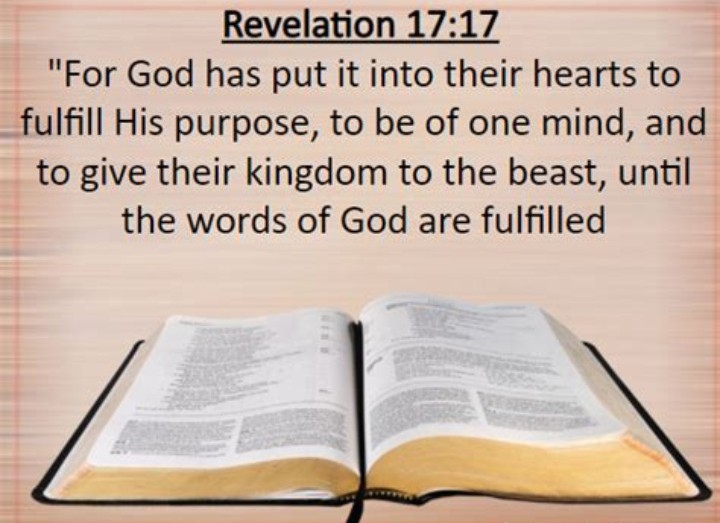
  2. Turning the hearts of men in order to fulfill His eternal purpose – Prov. 21:1; Rev. 17:17
  3. Bringing sickness and healing in all manner of sickness – Deut. 28:61; 29:22; cf. Deut. 7:15; Matt. 4:23; 10:11
  4. Bringing calamities, like what happened to Egypt in the days of Moses – Isa. 47:7; Jonah 1:4
  5. Bringing death and giving life – Deut. 32:39–40; 1 Sam. 2:6; Psa. 102:19–20; 104:29
  6. Making poor and making rich – 1 Sam. 2:7

II. Though Nothing Is Impossible for God, He Is God and Is Not Like Man.


A. He Cannot Lie – Num. 23:19; Rom. 3:4; Tit. 1:2; Heb. 6:17–18

* The arch-enemy of God, who is Satan, is the father of lies (John 8:44) — the total opposite of Christ, who is the Truth (John 14:6), the God of truth (Isa. 65:16; Deut. 32:4), and whose truth endures forever (Psa. 117:2).).

B. That He will change – Mal. 3:6; Psa. 89:34; James 1:17

Arthur Pink gave his profound understanding of the immutability of God. He said:
“God is immutable in His essence. His nature and being are infinite, and so subject to no mutations. There never was a time when He was not; there never will come a time when He shall cease to be. God has neither evolved, grown, nor improved. All that He is today, He has ever been, and ever will be. ‘I am the Lord, I change not’ (Mal. 3:6) is His own unqualified affirmation. He cannot change for the better, for He is already perfect; and being perfect, He cannot change for the worse. Altogether unaffected by anything outside Himself, improvement or deterioration is impossible. He is perpetually the same. He only can say, ‘I am that I am’ (Ex. 3:14). He is altogether uninfluenced by the flight of time. There is no wrinkle upon the brow of eternity. Therefore His power can never diminish nor His glory ever fade.”
(The Attributes of God by A. W. Pink, p. 22)


The immutability of God is also a comfort to those who obtained salvation through Christ alone. Why? Because God cannot change His affection toward those who are the objects of His mercy and love (Rom. 8:31–39; 9:18, 23; Psa. 103:17). The solid foundation of our assurance of salvation is the immutability of God (Heb. 6:17–19). Salvation given by God is not something He gives and then takes back — that would mock God’s immutability. We have received our full salvation from God, which cannot be taken back by Him, because His mercies endure forever (Psa. 118:1; Phil. 1:6). Christ said, “I should lose nothing” (John 6:37–39).
All of God’s creatures are mutable and capable of change; God alone is immutable. Lucifer, the perfect being in beauty and wisdom, has changed into Satan. Adam, the perfect human who was created directly by God, has changed from being holy and communing with God to being separate from God, falling into sin, from holiness into corruption. The whole creation that God made, of which He said all things are indeed good, has now become ruined and changed because of sin, is subject to restoration, and shall be gathered together in the fullness of time in Christ (Eph. 1:10).

C. That He can tempt anyone to sin –

Apostle James stated:

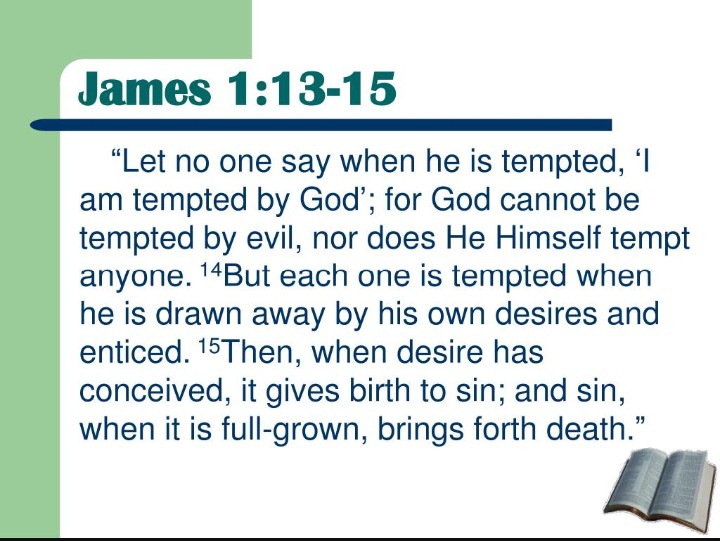
James 1:13-16
[13]Let no man say when he is tempted, I am tempted of God: for God cannot be tempted with evil, neither tempteth he any man:
[14]But every man is tempted, when he is drawn away of his own lust, and enticed.
[15]Then when lust hath conceived, it bringeth forth sin: and sin, when it is finished, bringeth forth death.
[16]Do not err, my beloved brethren.

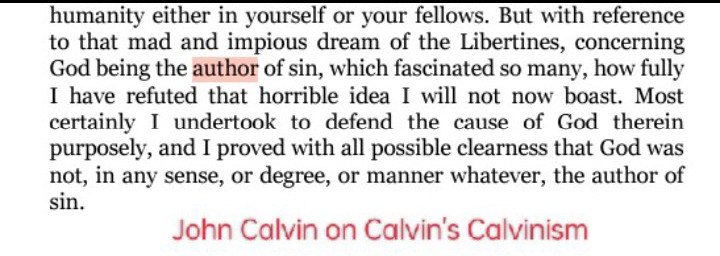
It is Satan who has been the tempter from the beginning (Gen. 3:1–5; Matt. 4:1). Those who misrepresent Calvinism, and the Doctrines of Grace allege that God is the author of sin. No! No one teaches that, not even Calvin himself. God is not the author of sin.

The existence of sin is part of God’s eternal purpose; however, that cannot point to God as the author of sin. Yes, it is God’s predetermined purpose — He who works all things after the counsel of His own will (Eph. 1:11) — He ordained to allow/permit the existence of sin in order for the Covenant of Redemption to come to its full completion. Christ said, “It is finished.”
Christ was foreordained before the foundation of the world to die on the cross for the redemption of God’s people (1 Pet. 1:18–20). We understand that this foreordaining purpose of God was determined from eternity past, before all things were created, before angels were created, since God alone existed in the beginning and all created beings came into existence after His act of creation.


Now, the fall of Satan was included in that eternal purpose of redemption. God knew the heart of Satan; He knew that the sin of pride was growing within him. God never created sin; however, sin was found and first came into existence in the perfect created being who was Hellel/Lucifer. He willfully and freely chose to rebel against God as his pride grew. “Sin was found in thee” (Ezek. 28:14–17; Isa. 14:12–14). If the existence of sin were not part of God’s eternal purpose of redemption, then by His omniscience God would have restrained Satan, by His omnipresence He would have rebuked Satan, and by His omnipotence He would have stopped and changed Satan. To deny that God determined to permit the very existence of sin, I tell you, would violate the very essential attributes of God — His omniscience, omnipresence, and omnipotence.


Nevertheless, God ordained that sin should come to pass so that His holiness might be manifested. God’s laws are the manifestation of His holiness and perfection, and by the violation of His laws His holiness shines all the brighter. God knew that Satan had entered His beautiful Garden of Eden; God omnisciently knew and omnipresently perceived that Satan was tempting Eve. So why did He not stop Satan’s wickedness? As I provided the answer above, Christ was foreordained to suffer and die before the creation of all things. The Apostle Paul stated:

Ephesians 3:11-According to the eternal purpose which he purposed in Christ Jesus our Lord:

Ephesians 1:9-11
[9]Having made known unto us the mystery of his will, according to his good pleasure which he hath purposed in himself:
[10]That in the dispensation of the fullness of times he might gather together in one all things in Christ, both which are in heaven, and which are on earth; even in him:[11]In whom also we have obtained an inheritance, being predestinated according to the purpose of him who worketh all things after the counsel of his own will:

Objection:

Someone had told me that believing the Sovereignty of God that is intricately and meticulously working all things would be a clear implications that God is the author of all sinfulness and wickedness since the beginning of time and in all the history.

Answer:

It is undeniably true that God is working all things after the counsel of His own will however freewill advocates could glimpse the surface of God’s working merely on positive events they have negated sins as part of God’s eternal purposed.

Alright, let us elaborate this in a brief manner to convey to our readers mind that God whose in charge in the human history could not be the author of sin neither in any instances since the beginning of time.

The truth is that every individual after the fall of Adam into sin human being never lose its will, however it is not in the same concept of libertarians that could be extended beyond the fallen sinful condition of man, biblically speaking the will of a sinful being is enslave of sin (John 8:34), free to fulfill the sinful desires but incapable of any holiness acceptable by God not unless by Divine regeneration. Ephesians 2:1-5 clearly stated:

1 • And you hath he quickened, who were DEAD in trespasses and sins;
2 • Wherein in time past ye walked according to the course of this world, according to the prince of the power of the air, the spirit that now worketh in the children of disobedience: [noticed that man who is being dead in sins is walking in sinfulness and in accordance to satan’s will]
3 • Among whom also we all had our conversation in times past in the lusts of our flesh, fulfilling the desires of the flesh and of the mind; and were by nature the children of wrath, even as others. [ the desire of a man who is dead in sins is only to fulfill the desire of sinful flesh being as children of wrath]
4 • But God, who is rich in mercy, for his great love wherewith he loved us,
5 • Even when we were dead in sins, hath quickened us together with Christ, (by grace ye are saved;) [it is only by Divine subjective Love some sinners are regenerated from deadness of sin that they may live together with Christ and be in Heaven] 6 • And hath raised us up together, and made us sit together in heavenly places in Christ Jesus: [ Emphasis mine: JJM]

Now my point is that when man commits sin, God never give impulse, commands, tempts, nor authored the intention, desire, or enactment of sin. God is simply letting man to fulfill his own sinful will and lusts.

Psalms 81:12
So I GAVE THEM UP unto their own hearts’ lust: and they walked in their own counsels.

Romans 1:26
For this cause God GAVE THEM UP unto vile affections: for even their women did change the natural use into that which is against nature.

2 Thessalonians 2:10-12
[10]And with all deceivableness of unrighteousness in them that perish; because THEY RECEIVED NOT the love of the truth, that they might be saved.
[11]And FOR THIS CAUSE God shall send them strong delusion, that they should believe a lie:
[12]That they all might be damned who believed not the truth, but had pleasure in unrighteousness.

When God determined to Permit man’s own sinful lust that is, on the other hand, the exact fulfillment of His eternal purpose.

We may cite as an example the predetermined suffering and death of Christ. God did determine that the worst sin, the worst crime ever committed by man  even the killing of His only begotten Son would come to pass. It cannot be denied that this predetermined purpose was not accidental; it was an apparent and deliberate purpose of God beforehand that Christ should be killed by the hands of wicked men. However, God the Father never tempted those wicked men into killing His only begotten Son — otherwise, those crucifiers would not be accountable for their sins, and God would be the one ultimately accountable for this death. God forbid such thinking! God permitted the evil intentions of those men to come to pass, which was in accordance with His determined purpose and foreknowledge.

Acts 2:23
Him, being delivered by the determinate counsel and foreknowledge of God, ye have taken, and by wicked hands have crucified and slain.

Acts 4:27-28
[27]For of a truth against thy holy child Jesus, whom thou hast anointed, both Herod, and Pontius Pilate, with the Gentiles, and the people of Israel, were gathered together,
[28]For to do whatsoever thy hand and thy counsel determined before to be done.

Prior to the time of His death, Christ said, “My time has not yet come” (John 7:8). Many men intended to kill Christ, but no one touched Him to harm Him because it was not yet the appointed time (John 7:30; 8:20). He even knew when His time was drawing near (Matthew 26:18; John 17:1).

Here we see that God’s working is not like a string attached to everything, or like a remote control forcing every action — as the false accusations and misrepresentations promoted by libertarian free will advocates against Calvinistic thinking on God’s sovereignty would suggest. Rather, it is the times and seasons in which every purpose takes place, as God revealed to King Solomon:

Ecclesiastes 3:1,11,14
[1]To every thing there is a season, and a time to every purpose under the heaven:
[11]He hath made every thing beautiful in his time: also he hath set the world in their heart, so that no man can find out the work that God maketh from the beginning to the end.
[14]I know that, whatsoever God doeth, it shall be for ever: nothing can be put to it, nor any thing taken from it: and God doeth it, that men should fear before him.

In the Calvinistic understanding of the will of a man fallen into sin, the will has never been destroyed or extinguished, but it is influenced by its enslavement to sin. Even though the will is under sin, it is not capable of surpassing God’s eternal purpose or taking God by surprise – as if God would say, “That was not included in My plan.” The Scriptures reveal that man has many plans, but God’s eternal plan shall always come to pass:

Psalms 33:10-11
[10]The LORD bringeth the counsel of the heathen to nought: he maketh the devices of the people of none effect.
[11]The counsel of the LORD standeth for ever, the thoughts of his heart to all generations.

Proverbs 19:21
[21]There are many devices in a man’s heart; nevertheless the counsel of the LORD, that shall stand.

Proverbs 16:9,33
[9]A man’s heart deviseth his way: but the LORD directeth his steps.
[33]The lot is cast into the lap; but the whole disposing thereof is of the LORD.

James 4:13-15
[13]Go to now, ye that say, To day or to morrow we will go into such a city, and continue there a year, and buy and sell, and get gain:
[14]Whereas ye know not what shall be on the morrow. For what is your life? It is even a vapour, that appeareth for a little time, and then vanisheth away.
[15]For that ye ought to say, If the Lord will, we shall live, and do this, or that.

Creatures will cannot be equal to or above to the Almighty and Sovereign will of God, because if it were, man would be equally or more sovereign than God, and man would thwart and change the purpose of God written in the scriptures. The fact is that God can use man’s evil intentions and desires to turn their wicked hearts to bring God’s predetermined plan into existence.

Genesis 50:20
But as for you, ye thought evil against me; but God meant it unto good, to bring to pass, as it is this day, to save much people alive.

Psalms 105:25
He turned their heart to hate his people, to deal subtilly with his servants.

Proverbs 21:1
The king’s heart is in the hand of the LORD, as the rivers of water: he turneth it whithersoever he will.

If you have questions you can freely ask and we’ll try to answer that as far as scriptures reveal. God bless.